
Nutritional & Health Benefits
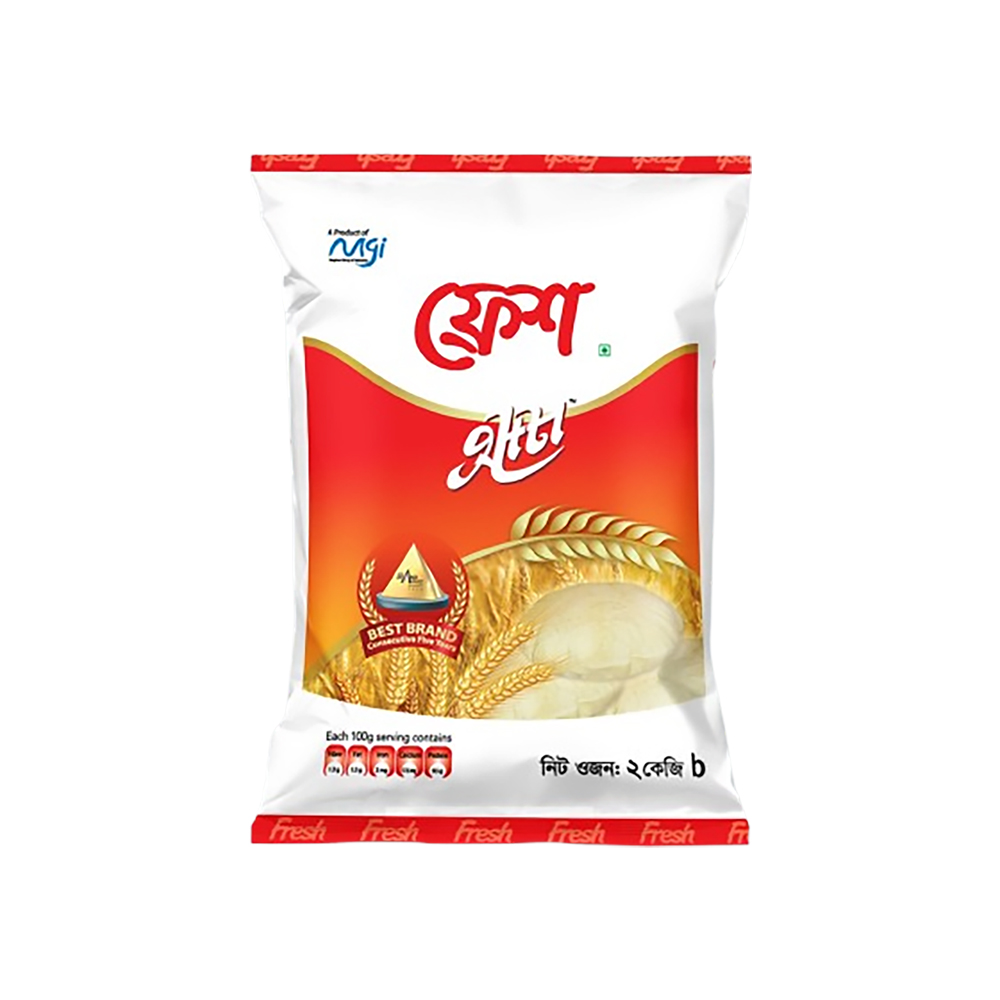
As a whole wheat flour, Fresh Flour includes the entire grain (bran, germ, and endosperm), which provides significant health advantages:
Rich in Dietary Fiber: The high fiber content aids digestion, promotes gut health, and helps maintain stable blood sugar levels.
Vitamins and Minerals: It’s a natural source of essential nutrients, including B vitamins (like Niacin, Thiamin, and Folate), iron, magnesium, and phosphorus, which are vital for energy metabolism and bone health.
Wholesome Diet: Incorporating whole grains supports a heart-healthy diet and provides a sustained energy release due to its complex carbohydrate structure.
Best Uses & Serving Suggestions
The description mentions Chapatis, Parathas, and Baked Goods, but here’s a breakdown of the specific flatbreads and other popular uses:
Chapatis/Rotis: These are simple, unleavened flatbreads. The key to making them soft and fluffy is a soft, well-rested dough and dusting off excess dry flour before cooking.
Phulkas: A variation of chapati, phulkas are typically cooked briefly on a griddle (tawa) and then finished on an open flame (or a very hot part of the tawa) to make them puff up completely, resulting in a very light, soft texture.
Parathas: These are generally thicker, slightly crispier flatbreads, often cooked with a little ghee or oil on the griddle. They can be plain or stuffed (like Aloo Paratha with potatoes or Paneer Paratha with cottage cheese).
Baked Goods: The nutty flavor works well in whole wheat bread, buns, cookies, and even savory crackers, adding a wholesome depth that all-purpose flour lacks.
Tips for Soft Chapatis/Rotis
Atta is unique, and mastering the flatbreads takes a few simple tricks:
Knead a Soft Dough: The dough should be soft and pliable—softer than bread dough. If it’s too tight, the chapatis will be hard.
Use Warm Water (Optional): Some cooks find that using slightly warm water helps the flour absorb moisture better, resulting in a softer dough.
Rest the Dough: This is crucial. Cover the kneaded dough with a damp cloth or air-tight container and let it rest for at least 20-30 minutes (up to a few hours or overnight in the fridge). Resting allows the gluten to relax, making rolling easier and the final product softer.
Cooking Heat: Cook the chapatis on a hot tawa (griddle) to cook them quickly without drying them out. For phulkas, finishing on a direct flame will give you the signature puff.
Storing Cooked Rotis: Stack the hot rotis immediately and wrap them in a clean cotton cloth/towel before placing them in an airtight container (like a casserole dish or roti box). The steam trapped inside keeps them soft.
Reviews
There are no reviews yet.